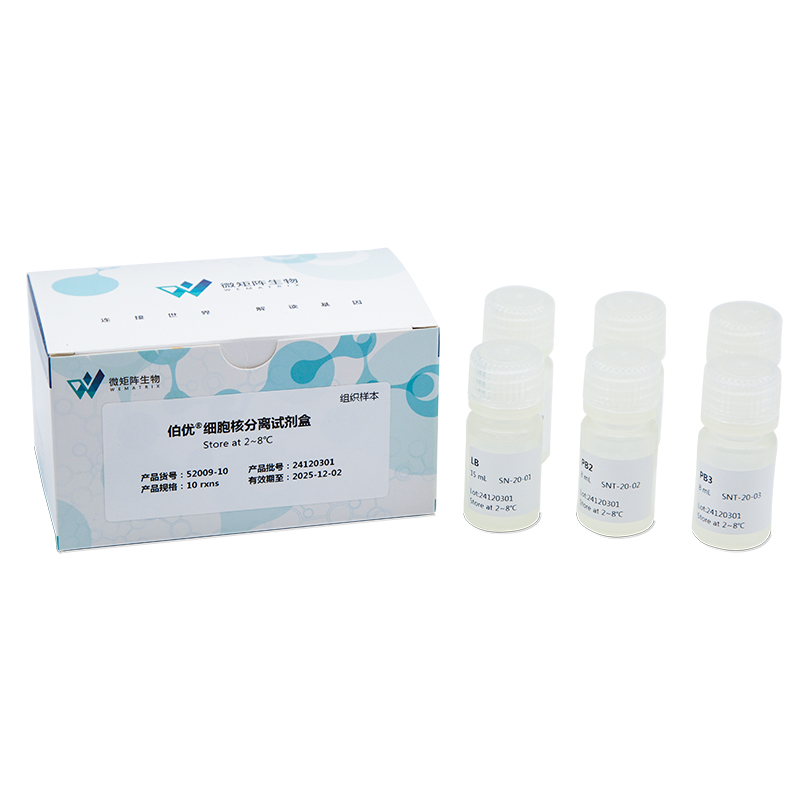
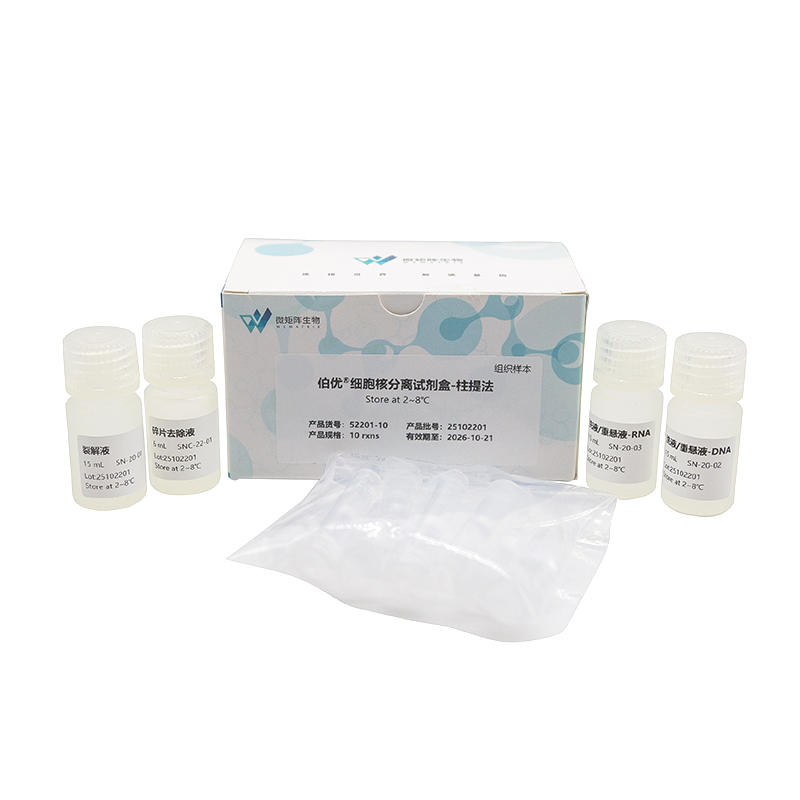
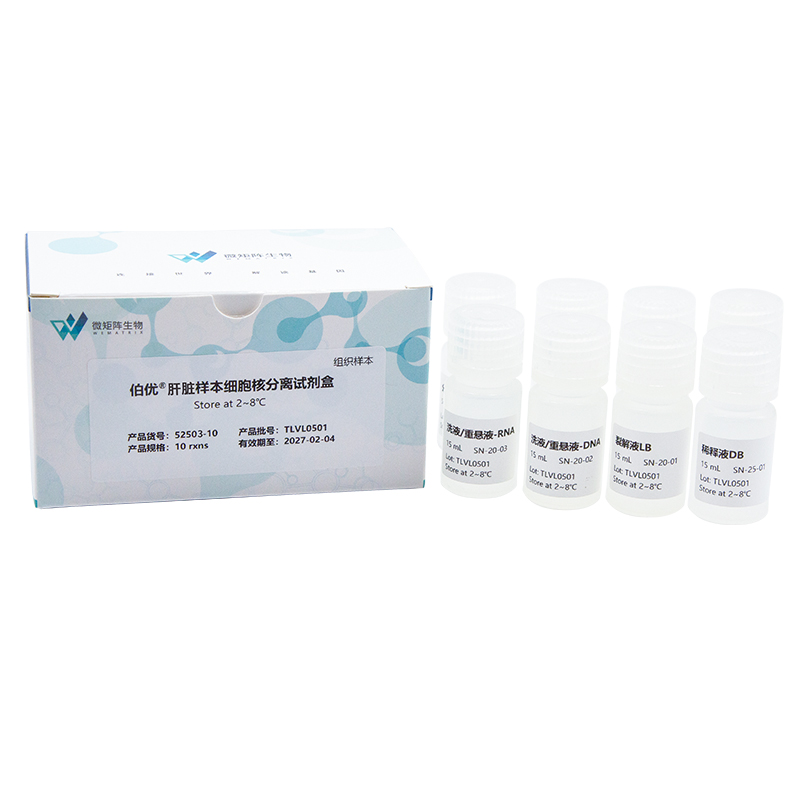
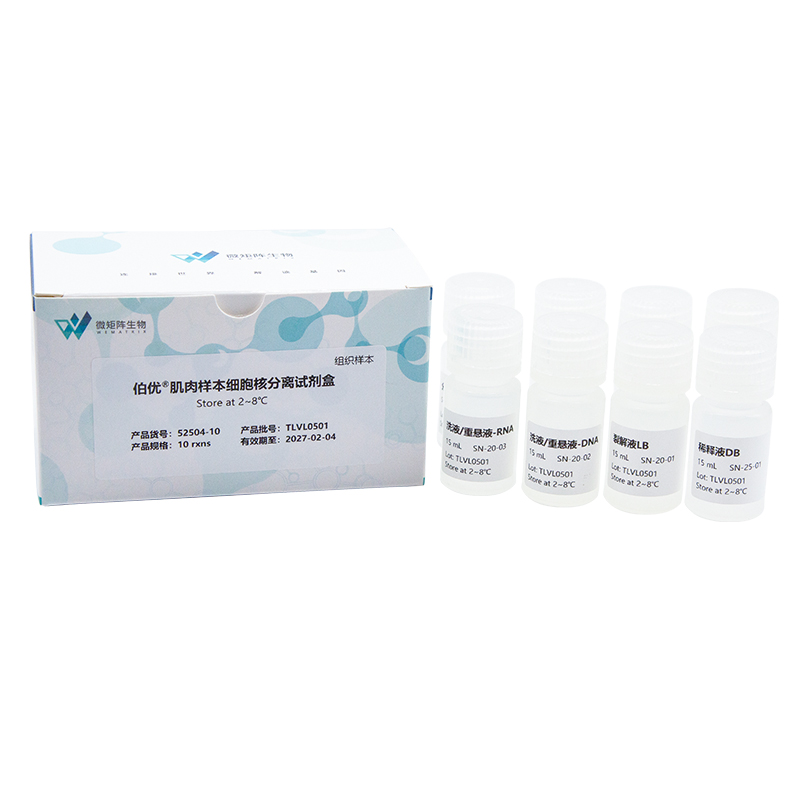
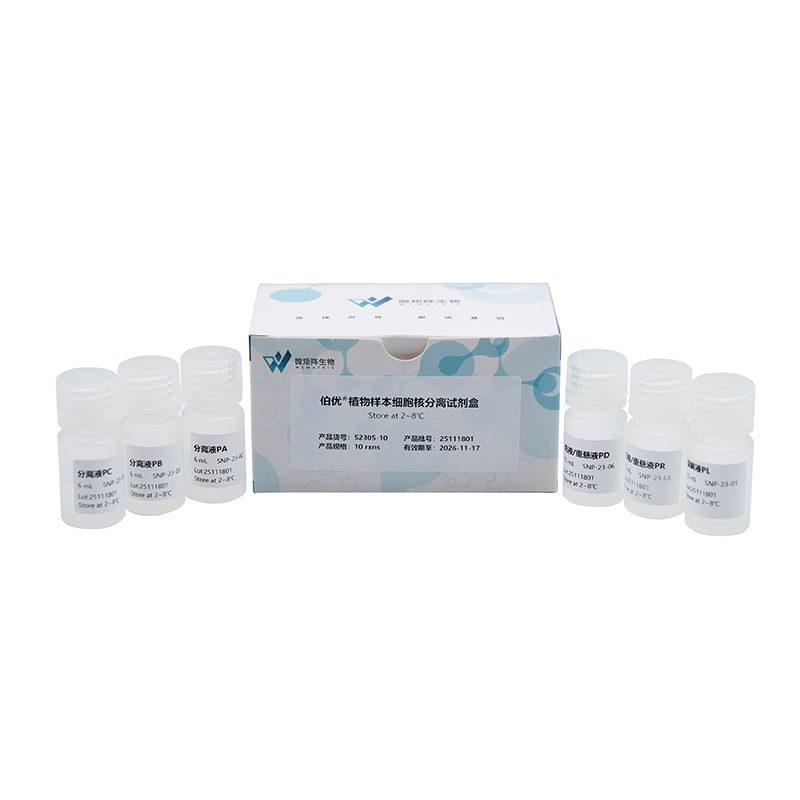
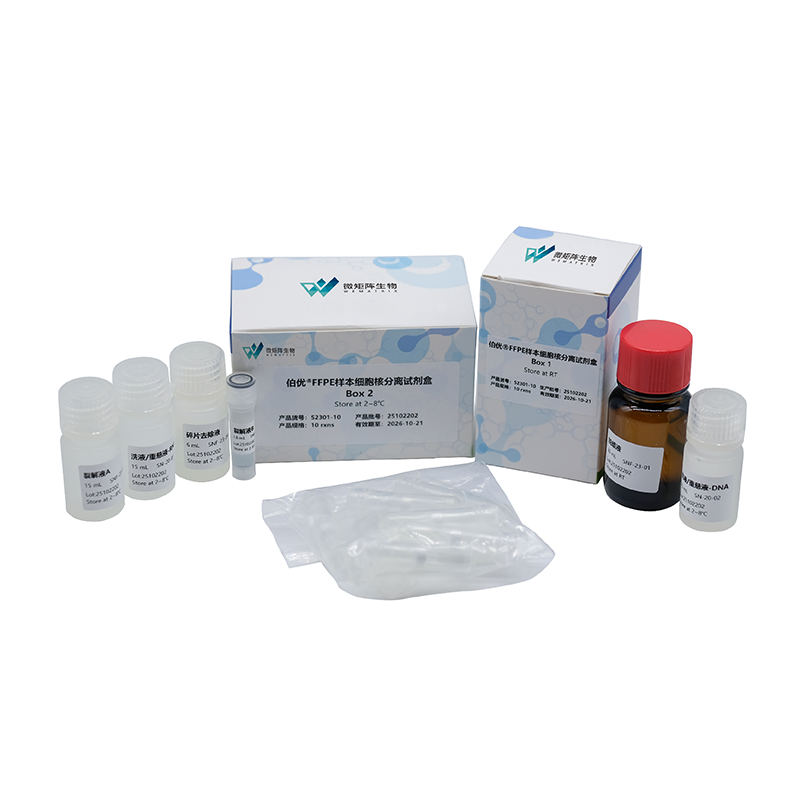
This product is specially designed to isolate high-purity single nuclei from animal tissues. Intact nuclei are released through tissue homogenization and cell membrane lysis, while the nuclear membrane stability and spatial structure of chromatin are well preserved. The optimized density gradient centrifugation effectively removes cell debris and contaminants, enabling the nuclei to meet strict quality requirements for cutting-edge research including single-cell omics and epigenetics.
Applications
The prepared nuclear suspension is applicable to nuclear transcriptomics (e.g., snRNA-seq, bulk RNA-seq) and epigenetics research (e.g., scATAC-seq, bulk ATAC-seq, CUT&Tag).
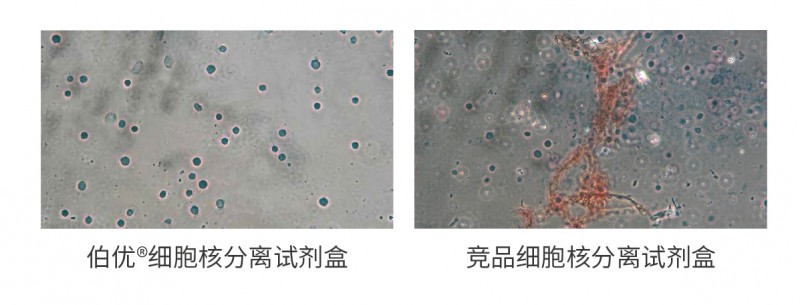
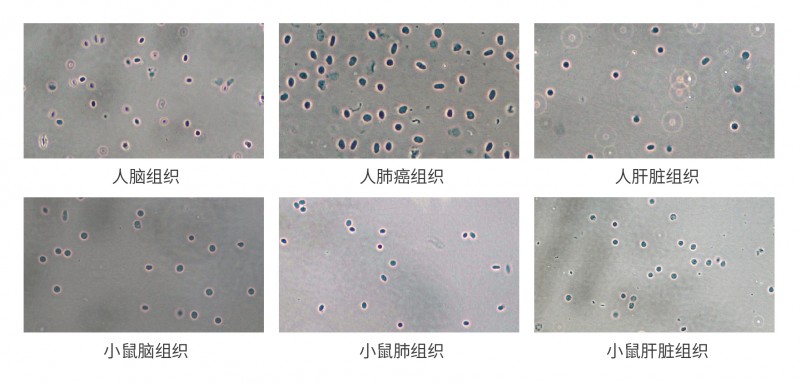
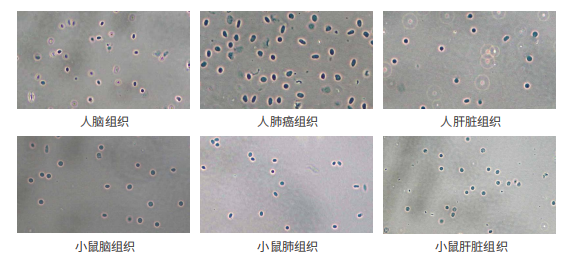
Microscopy Images
Application Cases
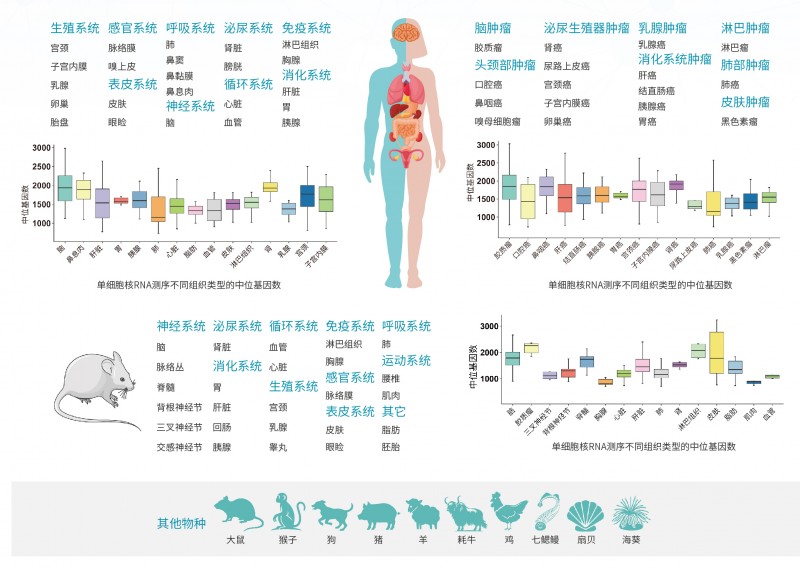
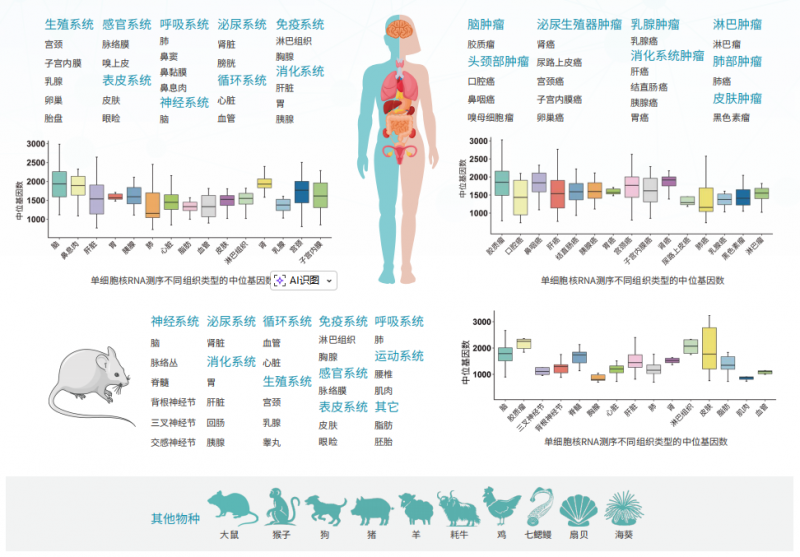
Boyou® Nucleus Isolation Kit has been successfully used for nucleus extraction from nearly 20 species, including mammals such as humans, mice and rats, as well as invertebrates like scallops and sea anemones. It is compatible with over 200 tissue types including brain, liver, heart, lung, kidney, spleen and various tumor tissues, with more than 20,000 sample preparations completed so far. It provides a stable and reliable solution for single-nucleus RNA sequencing.
Tested Tissue Types for Single-Nucleus RNA Sequencing
应用文献
IF 14.1Advanced Science2026
Stage-Specific H3K14 and H3K23 Succinylation Orchestrates Insect Metamorphosis and Oogenesis
The nucleus was isolated using a Nucleus Isolation Kit (SHBIO 52009-10) as instructions.
应用方向
snRNA-seq
产品线
试剂
服务种类
细胞核分离试剂盒
使用服务种类
Nucleus Isolation Kit (SHBIO 52009-10)
样本类型
组织
样本详情
肺
作者名
Zheng Zhi, Liao Shuangqing, Yang Chengfei, Li Yanqi, Wang Kai, Huang Ziqi, Liu Sijin, Dai Zhuoxin, Liu Xiaobing, Dai Peng, Deng Xufeng, Dai Jigang, Liu Quanxing
文章名称
Single-nucleus sequencing dissects the malignant change of early lung adenocarcinoma: SMAD3 suppresses antitumor T cell immunity via ICAM1
杂志
npj Precision Oncology
IF
8
发表年份
2026
发表日期
2026 May 12
Abstract
[Abstract]
类型
客户发文
平台
SeekOne
备注
材料和方法提及Shbio
分类
医学
研究内容
机制
病种
肺腺癌
采样物种分类
人
通讯作者
Ji-Gang Dai
单位
陆军医科大学新桥医院
区域
华南
IF 6.9Cell Reports2026
Multi-omics analysis uncovers the molecular basis of “golden-thread” formation in Phoebe zhennan stems
Zhang Lixiao, Li Xiang, Luo Hongdi, Huo Yujia, Zhou Guangkeng, Wang Pengcheng, Wu Sipeng, Lin Xinyong, Dai Kai, Shi Jiahao, Wang Zebao, Xu Jiaxin, Li Renjian, Chen Siyi, Sun Zhe, Zhao Chunlin, Zhou Zizhuo, Wang Zhenhong, Liang Chensi, Zhu Jun, Chen Xingjun, Luo Jintao, Yu Yong, Zhang Zhirong, Wang Geng
Comprehensive snRNA-Seq Datasets of Human and Mouse Podocytopathy Integrated with GWAS of Microalbuminuria
杂志
Scientific Data
IF
6.9
发表年份
2025
发表日期
2025 Dec 16
Abstract
[Abstract]
类型
客户发文
平台
10x
备注
材料和方法提及Shanghai Biotechnology Corporation
关键词
足细胞;足细胞病;单核RNA测序;微量白蛋白尿;治疗目标
分类
医学
研究内容
机制
病种
足细胞病
采样物种分类
人/小鼠
通讯作者
Junnan Wu
单位
浙江大学邵逸夫医院
区域
华东
IF 7.9Clinical and Translational Medicine2025
Proteogenomic characterisation of primary oral cancer unveils extracellular matrix remodelling and immunosuppressive microenvironment linked to lymph node metastasis
Yu Liu, Zhenyu Yang, Jingya Jane Pu, Jie Zhong, Ui-Soon Khoo, Yu-Xiong Su, Gao Zhang
文章名称
Proteogenomic characterisation of primary oral cancer unveils extracellular matrix remodelling and immunosuppressive microenvironment linked to lymph node metastasis
杂志
Clinical and Translational Medicine
IF
7.9
发表年份
2025
发表日期
2025 Mar 04
Abstract
[Abstract]
类型
客户发文
平台
10X
备注
材料和方法提及Shanghai Biotechnology Corporation
分类
医学
研究内容
机制
病种
口腔鳞状细胞癌
采样物种分类
人
通讯作者
Jie Zhong
单位
香港大学
区域
华南
IF 4.6Frontiers in Cell and Developmental Biology2025
snRNA-seq reveals subcutaneous white adipose tissue remodeling upon return to thermoneutrality after cold stimulation
Yan-Jia Luo, Longfei Li, Ze-Ka Chen, Ping Dong, Ling Xie, W. Todd Farmer, Qing-Song Yu, Lian-Xiang Jiang, Wei-Kun Su, Hong-Shan Liu, Hua-Zhi Wang, Zhuo-Lei Jiao, David James Melville, Emma Penel, Ryan N. Sheehy, Taylor Landry, Jing Wang, Hong Jiang, Xiao-Hong Xu, Xian Chen, Nan-Jie Xu, Tian Xue, Tian-Le Xu, Ya-Dong Li, Juan Song
文章名称
Segregated supramammillary-dentate gyrus circuits modulate cognitive and affective function in healthy and Alzheimer’s disease model mice
杂志
NEURON
IF
15
发表年份
2025
发表日期
2025 Oct 03
Abstract
[Abstract]
类型
客户发文
平台
10X
备注
材料和方法提及Shbio
分类
医学
研究内容
机制
病种
阿尔兹海默症
采样物种分类
小鼠
通讯作者
罗艳佳,李亚东
单位
上海九院
区域
华东
IF 2.6BMC GASTROENTEROLOGY2025
Elucidating the role of IgA plasma cells and PECAM1-CD38 interaction in intestinal fibrosis: a single-cell RNA sequencing analysis in Crohn's disease
Nuclei were isolated using a Nucleus Isolation Kit (SHBIO 52009-10) a
应用方向
snRNA-seq
产品线
试剂
服务种类
细胞核分离试剂盒
使用服务种类
Nucleus Isolation Kit (SHBIO 52009-10)
样本类型
组织
样本详情
肝脏
作者名
Zhang Chang, Xiang Xiangying, Liu Jian, Huang Yongjie, Xue Jingwen, Sun Qian, Leng Song, Liu Shaobo, He Xuefei, Hu Peng, Zhan Xiangjiang, Qiu Qiang, Yang Shilong, Brosius Jürgen, Deng Cheng
文章名称
Constitutively active glucagon receptor drives high blood glucose in birds
杂志
NATURE
IF
48.5
发表年份
2025
发表日期
2025 Mar 03
Abstract
[Abstract]
类型
客户发文
平台
SeekGene
备注
材料和方法提及Shbio,服务不是伯豪做的
分类
动物
研究内容
机制
采样物种分类
鸡
通讯作者
Cheng Deng
单位
华西医院
区域
华南
IF 9.3ACTA NEUROPATHOLOGICA2025
Multiplatform molecular analyses reveal two molecular subgroups of NF2-related schwannomatosis vestibular schwannomas with distinct tumour microenvironment and therapeutic vulnerabilities
Nuclei were isolated from each sample using a Nucleus Isolation Kit (Shbio, #52,009-10, Shanghai, China) a
应用方向
snRNA-seq
产品线
单细胞/试剂
服务种类
单细胞核转录组测序/细胞核分离试剂盒
样本类型
组织
样本详情
神经鞘瘤
作者名
Zhao Fu, Teng Xu-Fei, Zhang Jing, Li Shi-Wei, Wang Lei-Ming, Zhao Han-Guang, Zhang Shun, Zhao Chi, Li Peng, Zhao Xiao-Bin, Song Shu-Hui, Liu Pi-Nan
文章名称
Multiplatform molecular analyses reveal two molecular subgroups of NF2-related schwannomatosis vestibular schwannomas with distinct tumour microenvironment and therapeutic vulnerabilities
杂志
ACTA NEUROPATHOLOGICA
IF
9.3
发表年份
2025
发表日期
2025 May 09
Abstract
[Abstract]
类型
客户发文
平台
10x
备注
材料和方法提及Shbio
关键词
前庭神经鞘瘤·NF2相关神经鞘瘤病·分子亚群·巨噬细胞·肿瘤微环境
分类
医学
研究内容
机制
病种
神经鞘瘤病
采样物种分类
人
通讯作者
Fu Zhao,Shu‑Hui Song,Pi‑Nan Liu
单位
北京神经外科研究所
区域
华北
IF 6.2ECOTOXICOLOGY AND ENVIRONMENTAL SAFETY2025
Characterizing microglial heterogeneity in autophagy impairment of Paraquat-induced Parkinson’s disease-like neurodegeneration
he nuclei from mouse liver tissues were isolated using the Nucleus Isolation kit (SHBIO, 52009-10)
应用方向
snRNA-seq
产品线
试剂
服务种类
细胞核分离试剂盒
使用服务种类
Nucleus Isolation kit (SHBIO, 52009-10)
样本类型
组织
样本详情
肝脏
作者名
Li Jingjing, Ma Yunlong, Cao Yue, Zheng Gongwei, Ren Qing, Chen Cheng, Zhu Qunyan, Zhou Yijun, Lu Yu, Zhang Yaru, Deng Chunyu, Chen Wei-Hua, Su Jianzhong
文章名称
Integrating microbial GWAS and single-cell transcriptomics reveals associations between host cell populations and the gut microbiome
杂志
Nature Microbiology
IF
20.5
发表年份
2025
发表日期
2025 Apr 07
Abstract
[Abstract]
类型
客户发文
平台
SeekGene
备注
材料和方法提及Shbio
分类
微生物
研究内容
机制
采样物种分类
小鼠
通讯作者
Jianzhong Su
单位
温州医科大学
区域
华东
IF 6.1Journal of Translational Medicine2025
scRNA-seq reveals that VEGF signaling mediates the response to neoadjuvant anlotinib combined with PD-1 blockade therapy in non-small cell lung cancer
The Isolation Kit furnished by Shanghai Biotechnology Corporation was exploited. Nuclear suspensions were obtained in accordance with the standard protocols of the kit.
应用方向
snRNA-seq
产品线
单细胞/试剂
服务种类
单细胞核转录组测序/细胞核分离试剂盒
样本类型
组织
样本详情
肺
作者名
Huang Ziqi, Li Li, Zhao Xiaohe, Jin Haixia, Shen Meng, Li Baihui, Zeng Yu, Zhang Qinfen, Wang Qiyu, Wang Meng, Yang Lili
文章名称
scRNA-seq reveals that VEGF signaling mediates the response to neoadjuvant anlotinib combined with PD-1 blockade therapy in non-small cell lung cancer
Proteogenomic characterisation of primary oral cancer
unveils extracellular matrix remodelling and
immunosuppressive microenvironment linked to lymph
node metastasis
Nuclei were isolated using the Shbio Nuclei Isolation Kit
(SHBIO,#52009-10,China)
应用方向
snRNA-seq
产品线
单细胞空转/试剂
服务种类
单细胞核转录组测序/空间转录组测序细胞核分离试剂盒
样本类型
组织/血液
样本详情
肿瘤组织/血液
作者名
Yu Liu, Zhenyu Yang, Jingya Jane Pu, Jie Zhong, Ui-Soon Khoo, Yu-Xiong Su, Gao Zhang
文章名称
Proteogenomic characterisation of primary oral cancer
unveils extracellular matrix remodelling and
immunosuppressive microenvironment linked to lymph
node metastasis
杂志
Clinical and Translational Medicine
IF
7.9
发表年份
2025
发表日期
2025 Mar 04
Abstract
[Abstract]
类型
客户发文
平台
10x
备注
材料和方法提及SHBIO
关键词
淋巴结转移,口腔鳞状细胞癌,单细胞分析
分类
医学
研究内容
机制
病种
口腔鳞状细胞癌
采样物种分类
人
通讯作者
Gao Zhang
单位
香港中文大学
区域
华南
IF 21.2NATURE NEUROSCIENCE2025
Mitochondrial respiratory complex IV deficiency recapitulates amyotrophic lateral sclerosis
Nuclei from frozen anterior horns of lumbar spinal cord tissues were isolated using the Shbio Nuclei Isolation Kit (SHBIO).
应用方向
snRNA-seq
产品线
试剂
服务种类
细胞核分离试剂盒
使用服务种类
Shbio Nuclei Isolation Kit (SHBIO).
样本类型
组织
样本详情
腰椎脊髓
作者名
Cheng Man, Lu Dan, Li Kexin, Wang Yan, Tong Xiwen, Qi Xiaolong, Yan Chuanzhu, Ji Kunqian, Wang Junlin, Wang Wei, Lv Huijiao, Zhang Xu, Kong Weining, Zhang Jian, Ma Jiaxin, Li Keru, Wang Yaheng, Feng Jingyu, Wei Panpan, Li Qiushuang, Shen Chengyong, Fu Xiang-Dong, Ma Yuanwu, Zhang Xiaorong
文章名称
Mitochondrial respiratory complex IV deficiency recapitulates amyotrophic lateral sclerosis
杂志
NATURE NEUROSCIENCE
IF
21.2
发表年份
2025
发表日期
2025 Mar 11
Abstract
[Abstract]
类型
客户发文
平台
MobiDrop
备注
材料和方法提及SHBIO
分类
医学
研究内容
机制
病种
肌萎缩侧索硬化症
采样物种分类
大鼠
通讯作者
Yuanwu Ma,Xiaorong Zhang
单位
北京协和医院
区域
华北
IF 3.9Frontiers in Endocrinology2025
Single-nucleus RNA sequencing reveals dynamic changes in the microenvironment of visceral adipose tissue and metabolic characteristics after cold exposure
Nuclei were extracted using the BioYoo Nuclear IsolationKit (SHBIO, #52009-10, Shanghai, China)
应用方向
snRNA-seq
产品线
单细胞/试剂
服务种类
单细胞核转录组测序/细胞核分离试剂盒
使用服务种类
BioYoo Nuclear Isolation
Kit (SHBIO, #52009-10,
样本类型
组织
样本详情
附睾白色脂肪组织
作者名
Ting Yi, Shuai Wu, Yusha Yang, Xi Li, Shuran Yang, Yongqiang Zhang, Li Zhang, Yuyu Hu, Guanyu Zhang, Jun Li, Danfeng Yang
文章名称
Single-nucleus RNA sequencing reveals dynamic changes in the microenvironment of visceral adipose tissue and metabolic characteristics after cold exposure
杂志
Frontiers in Endocrinology
IF
3.9
发表年份
2025
发表日期
2025 Mar 24
Abstract
[Abstract]
类型
客户发文
平台
10X
备注
材料和方法提及SHBIO
关键词
冷暴露、内脏脂肪组织、snRNA-seq、代谢稳态、细胞异质性
分类
医学
研究内容
机制
病种
代谢疾病
采样物种分类
小鼠
通讯作者
Jun Li1* and Danfeng Yang
单位
贵州医科大学
区域
华南
IF 14.3Advanced Science2025
Radiotherapy-Associated Cellular Senescence and EMT Alterations Contribute to Distinct Disease Relapse Patterns in Locally Advanced Cervical Cancer
cell nuclei were isolated the from brain tissues using Shbio Cell Nuclear Isolation Kit (Shbio, #52009–10).
应用方向
snRNA-seq
产品线
单细胞/试剂
服务种类
单细胞核转录组测序/细胞核分离试剂盒
样本类型
组织
样本详情
脑
作者名
Jieyi Ma, Siyi Zheng, Chenrui An, Hui Han, Qiwen Li, Ying Huang, Gan Xiong, Shuang Chen, Siyao Guo, Zhaoyu Wang, Wei Wei,
Yudan Shang, Yushan Ji, Cuiyun Yang, Junho Choe, Quan Yuan, Yong Fan, Canfeng Zhang , and Shuibin Lin
文章名称
Pathogenic mechanism and therapeutic intervention of impaired
N7-methylguanosine
(m7G) tRNA modification
杂志
PNAS
IF
9.4
发表年份
2024
发表日期
2024 Oct 29
Abstract
[Abstract]
类型
客户发文
平台
10X
备注
附录材料和方法提及Shanghai Biotechnology Corporation
关键词
N7-甲基鸟苷(m7G)|tRNA修饰|WDR4|基因治疗|神经疾病
分类
疾病
研究内容
机制
病种
神经疾病
采样物种分类
小鼠
通讯作者
Yong Fanc, Canfeng Zhangb, and Shuibin Lin
单位
中山大学附属第一医院
区域
华南
IF 6.2ECOTOXICOLOGY AND ENVIRONMENTAL SAFETY2024
Brain single-cell transcriptomics highlights comorbidity-related cell type-specific changes of Parkinson’s disease with major depressive disorder after paraquat exposure
Brain single-cell transcriptomics highlights comorbidity-related cell type-specific changes of Parkinson’s disease with major depressive disorder after paraquat exposure
杂志
ECOTOXICOLOGY AND ENVIRONMENTAL SAFETY
IF
6.2
发表年份
2024
发表日期
2024 Oct 16
Abstract
[Abstract]
类型
客户发文
备注
材料和方法提及Shbio
关键词
单细胞RNA测序 共病帕金森病 重度抑郁症 百草枯
分类
疾病
研究内容
机制
病种
帕金森,重度抑郁
采样物种分类
小鼠
通讯作者
Siying Wu,Huangyuan Li
单位
福建医科大学
区域
华南
IF 7.5Cell Reports2024
RAC1 inhibition ameliorates IBSP-induced bone metastasis in lung adenocarcinoma
Mapping cell diversity in human sporadic cerebral cavernous malformations
杂志
GENE
IF
3.5
发表年份
2024
发表日期
2024 May 22
Abstract
[Abstract]
类型
客户发文
备注
致谢提及Shanghai Biotechnology Corporation
关键词
CCM 单细胞RNA测序 内皮细胞 平滑肌细胞 PVT1
分类
疾病
病种
脑海绵状畸形
采样物种分类
人
通讯作者
Wenli Sheng
单位
中山大学附属第一医院
区域
华南
IF 3.4Molecular Medicine Reports2024
Network pharmacology combined with experimental validation to investigate the effect of Rongjin Niantong Fang on chondrocyte apoptosis in knee osteoarthritis
Network pharmacology combined with experimental validation to investigate the effect of Rongjin Niantong Fang on chondrocyte apoptosis in knee osteoarthritis
杂志
Molecular Medicine Reports
IF
3.4
发表年份
2024
发表日期
2024 Apr 15
Abstract
[Abstract]
类型
客户发文
备注
材料和方法提及Shanghai Biotechnology Corporation
关键词
膝骨关节炎,荣筋念痛方,PARP1/AIF通路,细胞凋亡,网络药理学
分类
疾病
研究内容
机制
病种
膝骨关节炎
采样物种分类
大鼠
通讯作者
Guangwen Wu
单位
福建中医药大学
区域
华南
IF 6.8ECOTOXICOLOGY AND ENVIRONMENTAL SAFETY2024
Single-cell RNA-sequencing of cellular heterogeneity and pathogenic mechanisms in paraquat-induced Parkinson's disease with depression
The nuclei from the frozen brain tissues were isolated using Shbio Nuclei Isolation Kit (SHBIO; Shanghai, China).
应用方向
snRNA-seq
产品线
单细胞/试剂
服务种类
单细胞核转录组测序,细胞核分离试剂盒
使用服务种类
单细胞核转录组测序、伯优®细胞核分离试剂盒
样本类型
组织
样本详情
大脑
作者名
Jianxiong Ji,* Kaikai Ding, Bo Cheng, Xin Zhang, Tao Luo, Bin Huang, Hao Yu, Yike Chen,
Xiaohui Xu, Haopu Lin, Jiayin Zhou, Tingtin Wang, Mengmeng Jin, Aixia Liu,
Danfang Yan, Fuyi Liu, Chun Wang, Jingsen Chen, Feng Yan, Lin Wang, Jianmin Zhang,
Senxiang Yan,* Jian Wang,* Xingang Li,* and Gao Chen
文章名称
Radiotherapy-Induced Astrocyte Senescence Promotes anImmunosuppressive Microenvironment in Glioblastoma to Facilitate Tumor Regrowth
杂志
Advanced Science
IF
15.1
发表年份
2024
发表日期
2024 Feb 11
Abstract
[Abstract]
类型
客户发文
备注
材料和方法提及Shbio
分类
疾病
研究内容
机制
病种
胶质母细胞瘤
采样物种分类
小鼠
通讯作者
Xingang Li
单位
山东大学齐鲁医院
区域
华北
IF 15.1Advanced Science2023
Single-Nucleus Transcriptome Profiling of Locally Advanced
Cervical Squamous Cell Cancer Identifies Neural-Like
Progenitor Program Associated with the Efficacy of
Radiotherapy
The nuclear fraction wasisolated usingaShbioCellNuclearIsolationKit(Shbio,52009-10,Shanghai, China
应用方向
snRNA-seq
产品线
单细胞/试剂
服务种类
单细胞核转录组测序/ 伯优细胞核分离试剂盒
样本类型
组织
样本详情
宫颈肿瘤
作者名
Lei Zhang, Jun Ma, Di Zhou, Junjun Zhou, Bin Hu, Xiumei Ma, Jianming Tang,
Yongrui Bai,Haiyan Chen, and Ying Jing
文章名称
Single-Nucleus Transcriptome Profiling of Locally Advanced
Cervical Squamous Cell Cancer Identifies Neural-Like
Progenitor Program Associated with the Efficacy of
Radiotherapy
杂志
Advanced Science
IF
15.1
发表年份
2023
发表日期
2023 Jul 09
Abstract
[Abstract]
类型
客户发文
平台
10× Genomics
备注
材料和方法提及Shanghai Biotechnology Corporation
分类
疾病
研究内容
机制
病种
宫颈癌
采样物种分类
人
通讯作者
张蕾
单位
仁济东院
区域
华东
IF 4.6JOURNAL OF DERMATOLOGICAL SCIENCE2023
Updated skin transcriptomic atlas depicted by reciprocal contribution of single-nucleus RNA sequencing and single-cell RNA sequencing
Brain single-nucleus transcriptomics highlights that polystyrene nanoplastics potentially induce Parkinson’s Disease-like neurodegeneration by causing energy metabolism disorders in mice
Boxuan Liang, Yuji Huang, Yizhou Zhong, Zhiming Li, Rongyi Ye, Bo Wang,Bingli Zhang, Hao Meng, Xi Lin, Jiaxin Du, Manjiang Hu, Qinghong Wu, Haixia Sui,
Xingfen Yang d, Zhenlie Huang
文章名称
Brain single-nucleus transcriptomics highlights that polystyrene nanoplastics potentially induce Parkinson’s Disease-like neurodegeneration by causing energy metabolism disorders in mice
杂志
Journal Of Hazardous Materials
IF
14.224
发表年份
2022
发表日期
2022 Feb 11
Abstract
[Abstract]
类型
客户发表
平台
10X
备注
致谢提及Shanghai Biotechnology Corporation
关键词
纳米塑料,单核转录组学,帕金森病,神经变性,能量代谢紊乱
分类
材料
病种
神经退行性疾病
采样物种分类
小鼠
通讯作者
黄振烈
单位
南方医科大学
区域
华南
IF 6.4Elife2021
Single-nucleus transcriptomic atlas of spinal cord neuron in human
Q: Both 52009 and 52201 are general kits for tissue samples. What are the differences between them in workflow, principle and initial sample amount?
A: The basic workflow of both kits includes tissue homogenization & cell lysis, debris removal, washing and nucleus resuspension. Kit 52009 removes debris and impurities via density gradient method, delivering nuclei with high purity. Kit 52201 adopts column-based purification using filter columns and debris removal solution, featuring a shorter workflow and higher yield. The recommended initial sample amount is 20–50 mg. Kit 52201 is also compatible with low-input samples below 10 mg.
Q: How much tissue is required for a single test with Kit 52009? What methods are available for tissue grinding?
A: The recommended initial tissue amount is 20–50 mg. Either an electric homogenizer or a manual pestle can be used for grinding, depending on tissue type.
Q: For nucleus extraction from mouse liver samples followed by ATAC-seq, are there any differences between fresh and frozen tissues? Is there a solution to preserve fresh tissues?
A: Fresh tissues are preferred, while frozen tissues are also applicable. Single-cell Tissue Preservation Solution (Boyou, Cat. 21903) can maintain cellular activity for up to 72 hours.
Q: Can Kit 52009 be used for both frozen and fresh tissues?
A: Yes, it works for both fresh and frozen tissues.
Q: For tumor samples intended for subsequent single-cell RNA-seq, which grinding and homogenization method is recommended?
A: Use an electric homogenizer (Omni TH Handheld/Benchtop Homogenizer) at low speed for 5–10 seconds.
Q: How many freeze-thaw cycles are allowed for isolated nuclei?
A: Repeated freeze-thaw of isolated nuclei is not recommended. Subsequent experiments should be performed within half an hour.
Q: How to improve incomplete tissue homogenization for certain samples?
A: Cut the tissue into small pieces with scissors prior to homogenization. Moderate homogenization is sufficient; excessive homogenization will impair nucleus morphology and yield.